History
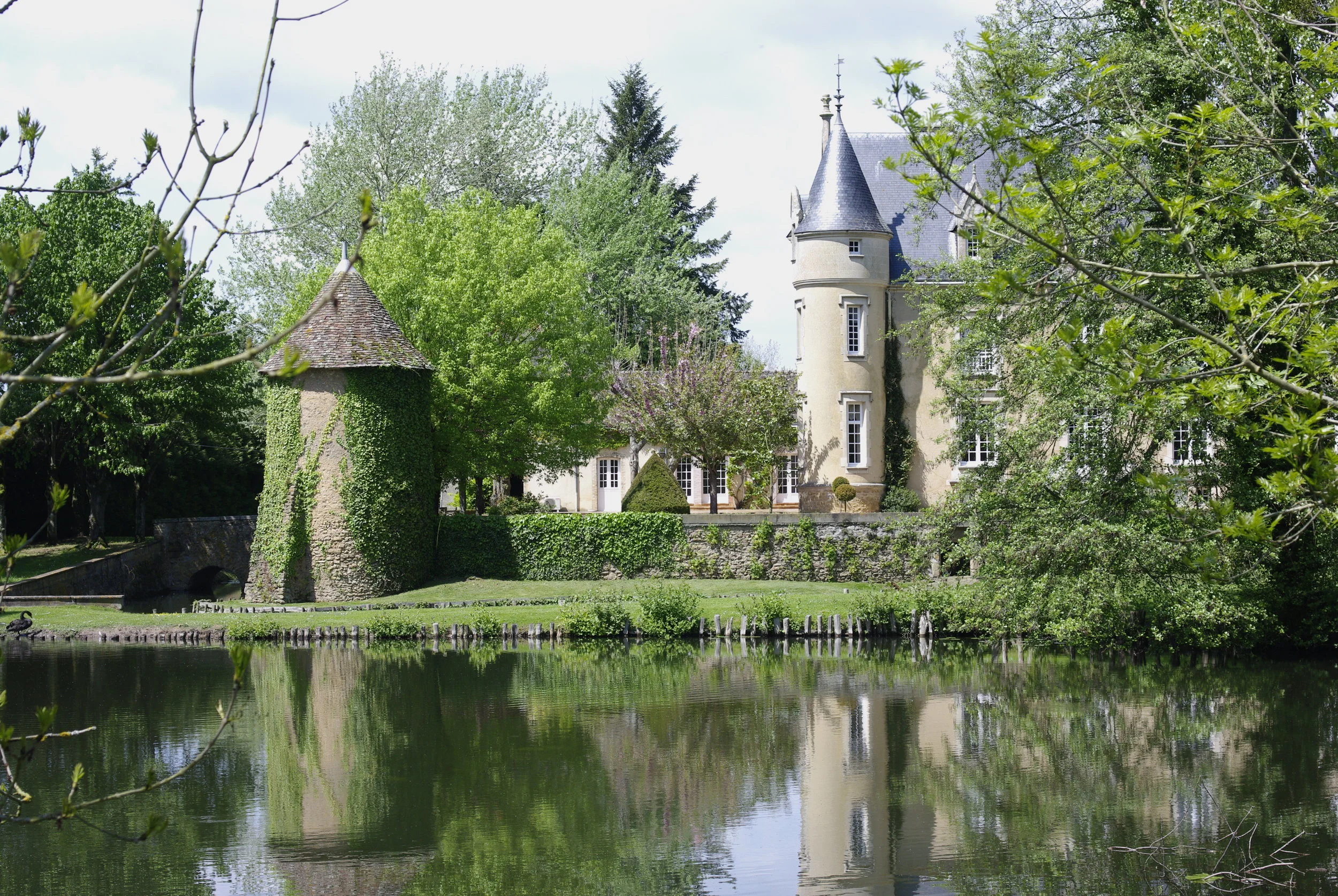
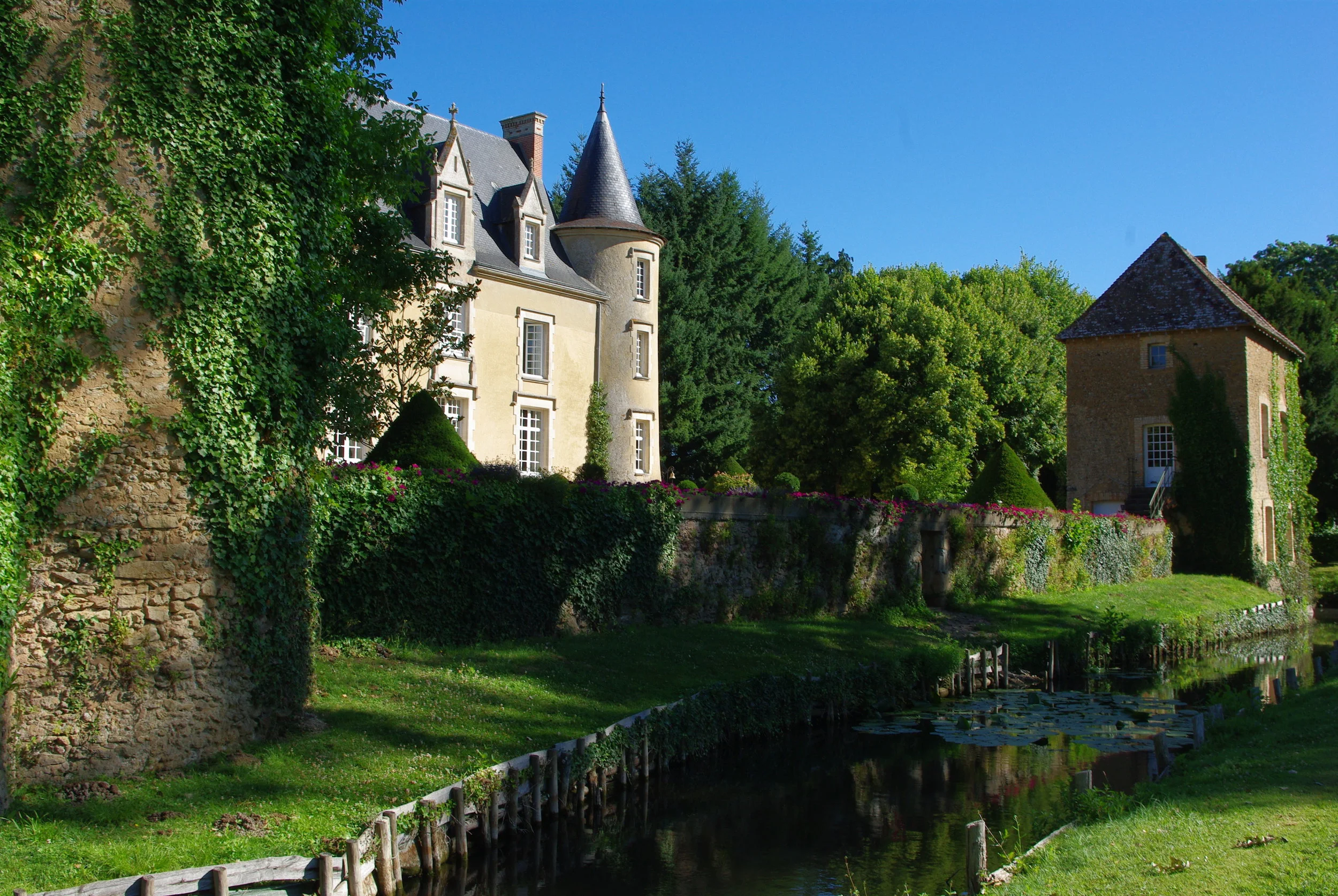
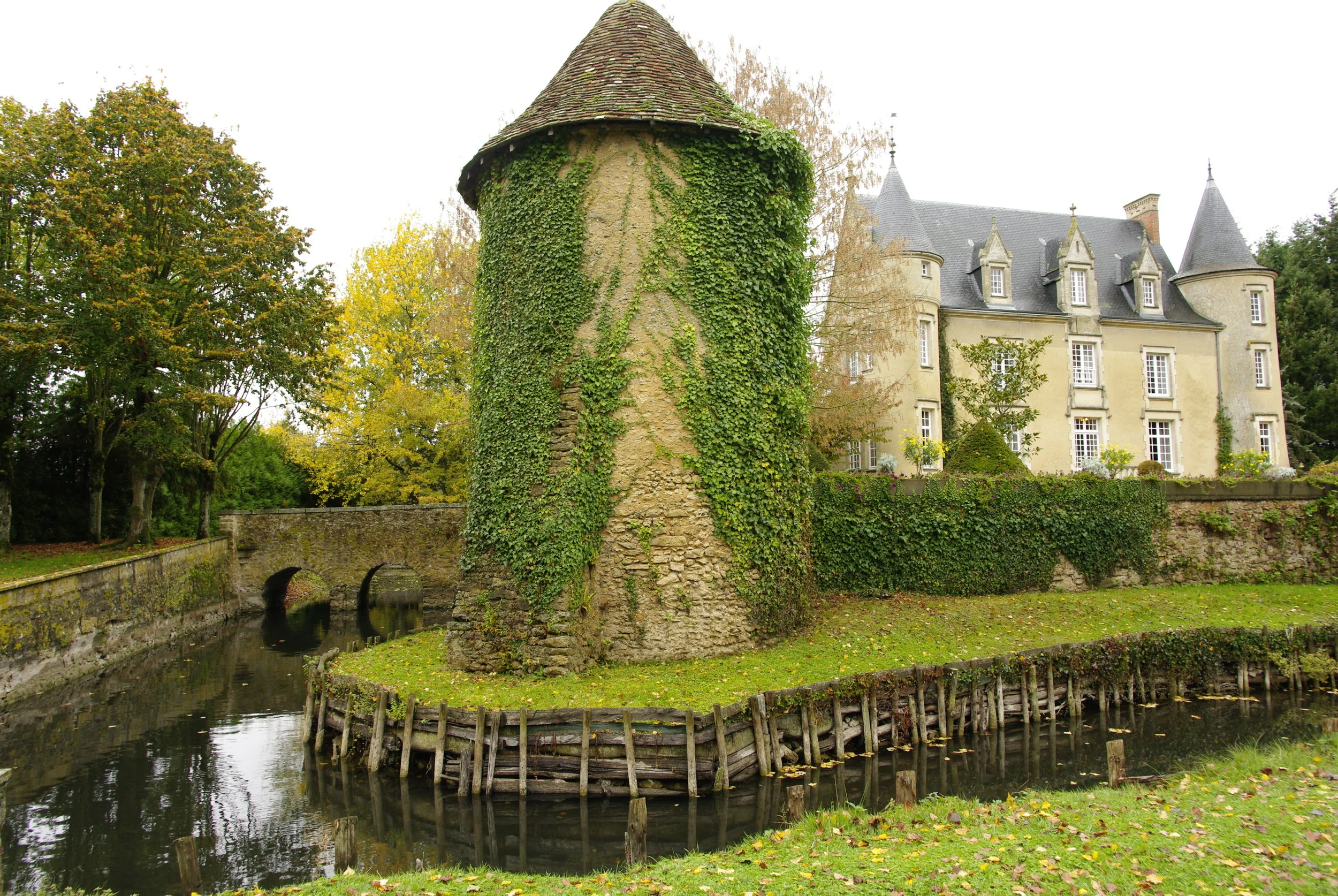
The Château and Seigneurie de Launay is a historic 14th and 18th century castle, which has been thoroughly restored. The exact date of the oldest sections is unknown and a much earlier and smaller castle can be found in the heart of the current one (where the current library is, and the attached tower). However, archetectual clues signal that the latest possible date was during the 100 Years War. It would very soon find itself on the frontline, with the territory becoming hotly contested; a motte and bailey castle only one KM away was swept away by the war. Making the chateau's moat, towers, and walls very real and necessary defensive structures intended to keep it safe. While the curtain wall was drastically lowered and the drawbridge removed in the renaissance, the wall and many other clues from the chateau's fortified past still remain. Its renaissance architecture of enlarging windows and adding detailing that did not fully erase a defensive past is typical of many châteaux of the Loire region.
Château de Launay is also the home of a scandalous romantic story that involved the Seigneur de Luce - Charles de Coesmes - and Gabrielle d’Harcourt. Their marriage in 1523 was initially disapproved by François 1er following the abduction of Gabrielle (a willing party) by Charles de Coesmes, who was aided by Pierre de Bernay, Seigneur de Launay. The couple took refuge at the Château de Launay and subsequent events are known in great detail including quotes from the angry mother trying to fetch her daughter outside of Launay in the night.
Alone, the mother was unable to force her daughter to come to her, so she turned to the King. She succeeded in obtaining a royal decree (François I) condemning both men to public decapitation and it was specified that their corpses should remain on display in front of the gates to her castle (the nearby Château de Bonnétable). But by 1527, because of services rendered by the seigneur and some say because of Gabrielle's remarkable beauty, the couple often joined the court of François 1er at Amboise and Chambord.
A full history can be read on this wikipedia article.